What are the advantages of choosing one consistent shooting environment for your film or video production?
Using one consistent, controlled environment such as a professional film studio, like our studios in south east London, helps minimise delays, reduce costs, and maintain creative flow. In contrast, switching between unpredictable locations typically leads to logistical challenges, time loss, and a drop in production quality.
Why Choosing the Right Shooting Environment Matters for Modern Productions
A producer reviews the call sheet and compares a public park shoot against the certainty of a soundproof studio. That single decision affects schedules, lighting, crew movements, and the overall mood.
The environment acts as the foundation of a production. If it is unstable, every element that depends on it may suffer. Modern productions face tight schedules. Budgets are under scrutiny, expectations are high, and time is limited. Reliability has become essential.
Choosing the wrong environment can derail an entire shoot. Crews get stuck, talent waits, and the final product may not meet expectations. Everyone involved experiences the consequences.
Groups such as BAFTA, the APA, Film London, and BECTU increasingly focus on structured filming environments. Studios are becoming the preferred choice for commercial and high-spec productions because they offer clarity, consistency, and control.
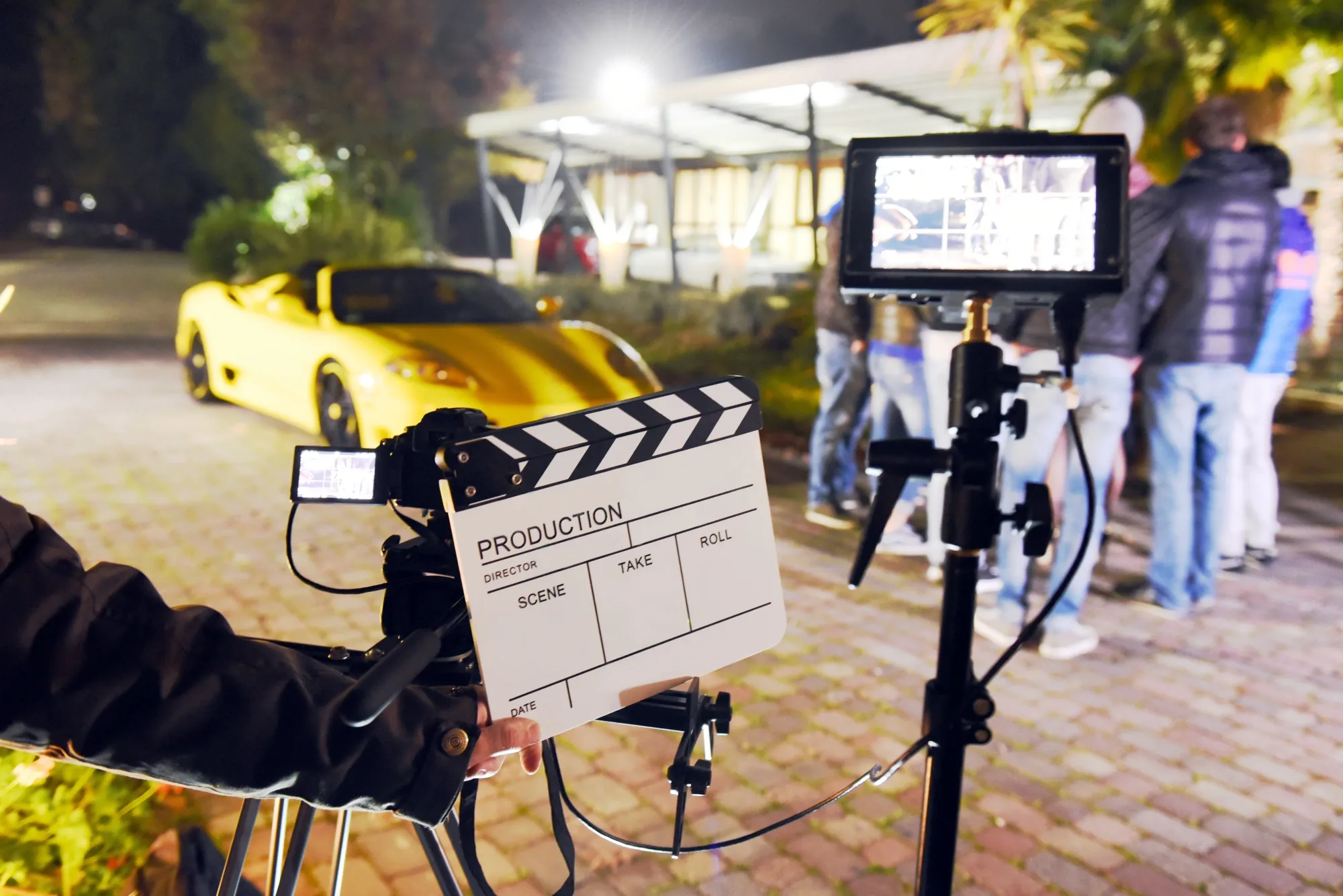
The Real Challenges of Filming on Location
Sirens interrupt a take. Rain forces a delay. A passer-by walks through the frame. While visually appealing, location shoots often result in significant disruption. Weather can halt filming completely. Sound pollution spoils audio. Moving trucks and gear through narrow streets uses up valuable time. Temporary power setups tend to be unreliable. These complications result in delays and additional costs.
Permits, crowds, and safety concerns can slow down production. Light changes introduce continuity issues. What begins in crisp morning light may need reshoots in dim afternoon shade, leading to a mismatched sequence.
Even with solid location scouting and weather tracking, unpredictable filming environments pose a high reshoot risk. The crew must address ambient sound interference, third-party disruptions, and public access restrictions. Tools such as weather trackers and mobile soundproofing help reduce risk, but they cannot fully remove it. External factors still affect timelines, budgets, and team morale.

The Advantages of Using a Professional Film Studio
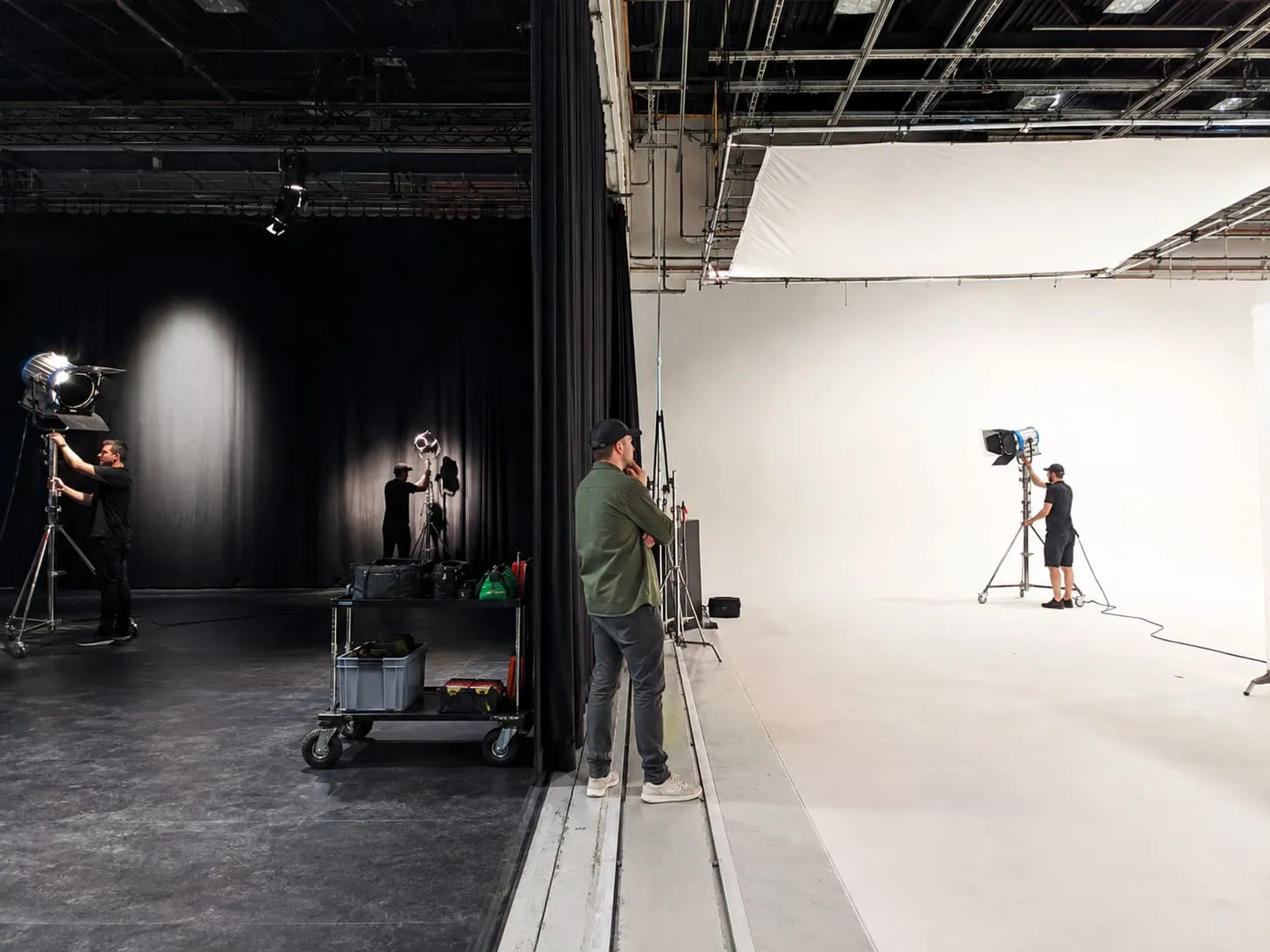
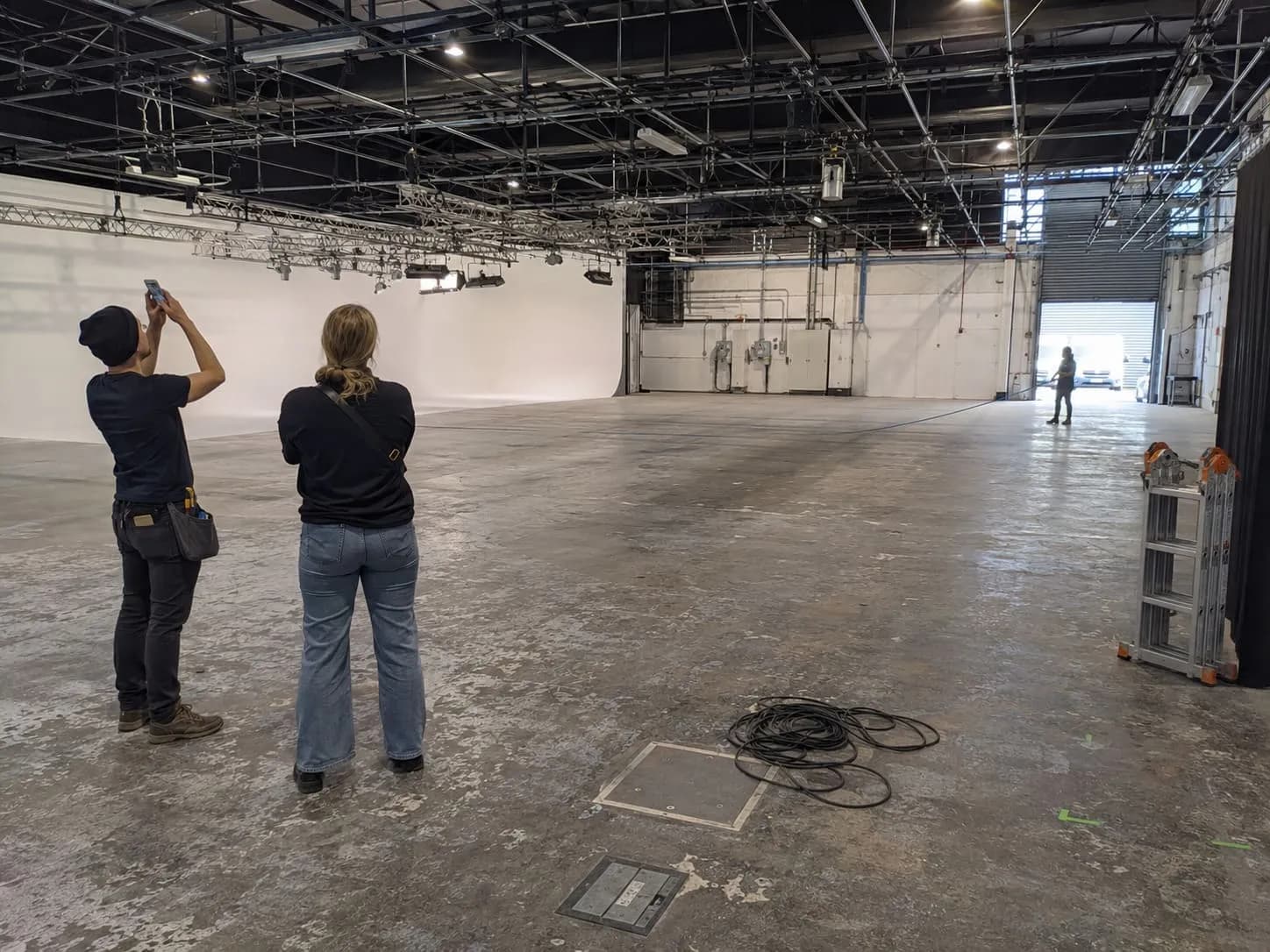
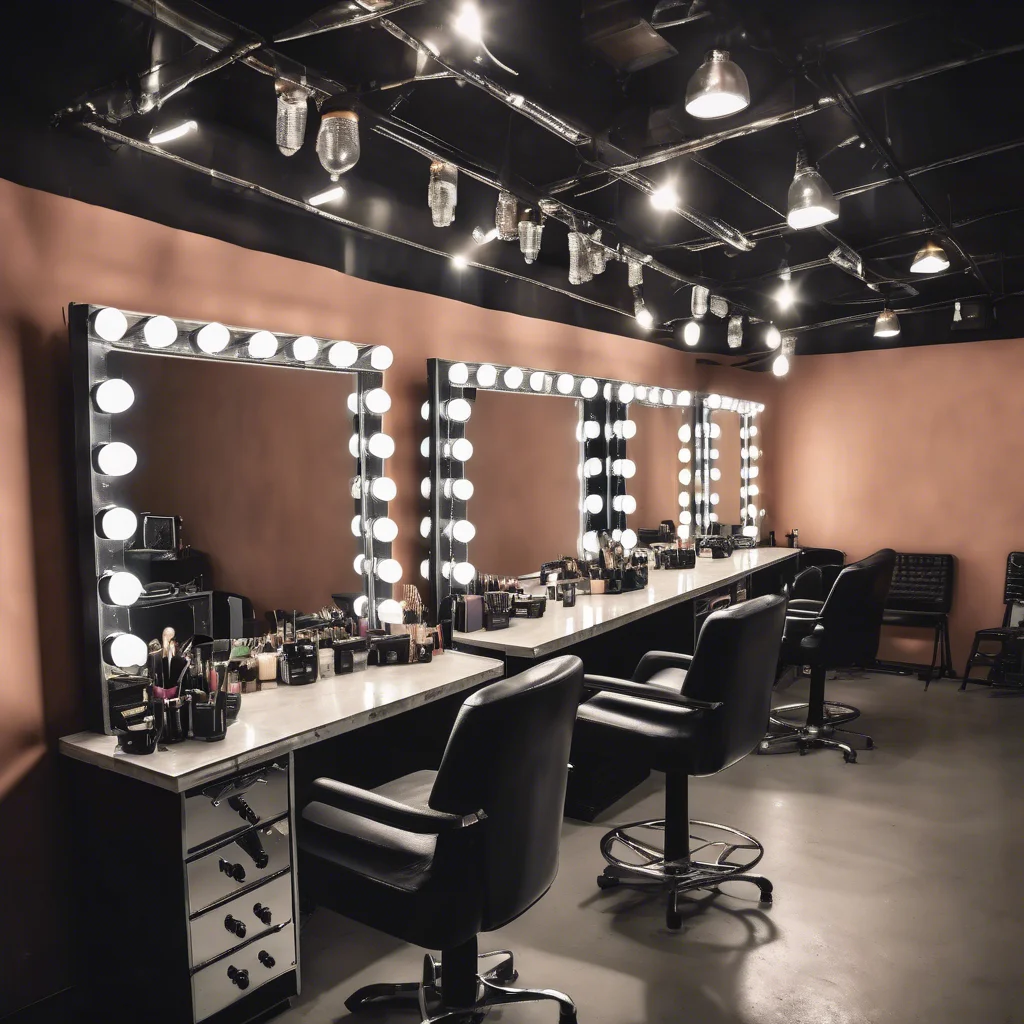
Entering a professional studio simplifies production. Lighting remains consistent. Sound stays clean. The space is purpose-built for filming and includes rigging systems, quiet HVAC, and blackout options.
Studios remove many common risks. They allow full control over the shooting environment, including lighting, sound, power, and logistics. Everything is designed to streamline the filming process.
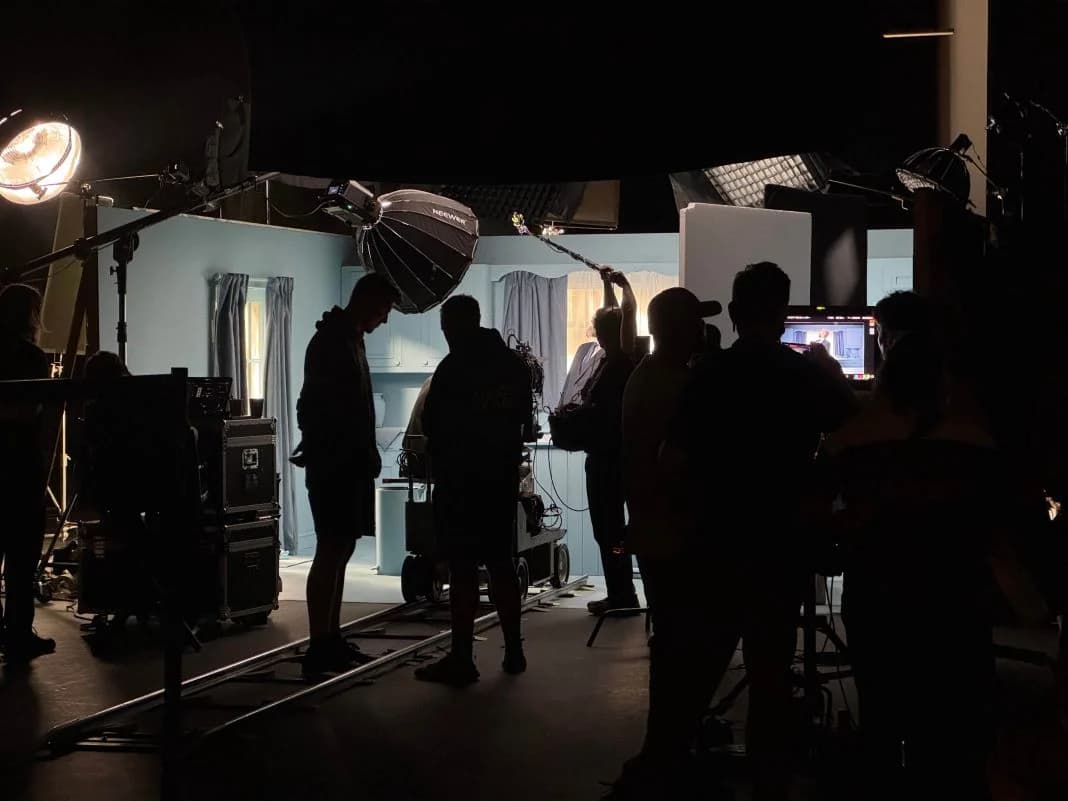
When a setup needs adjusting, it can be done quickly. Scene changes happen without transport delays. The workflow remains smooth and uninterrupted.
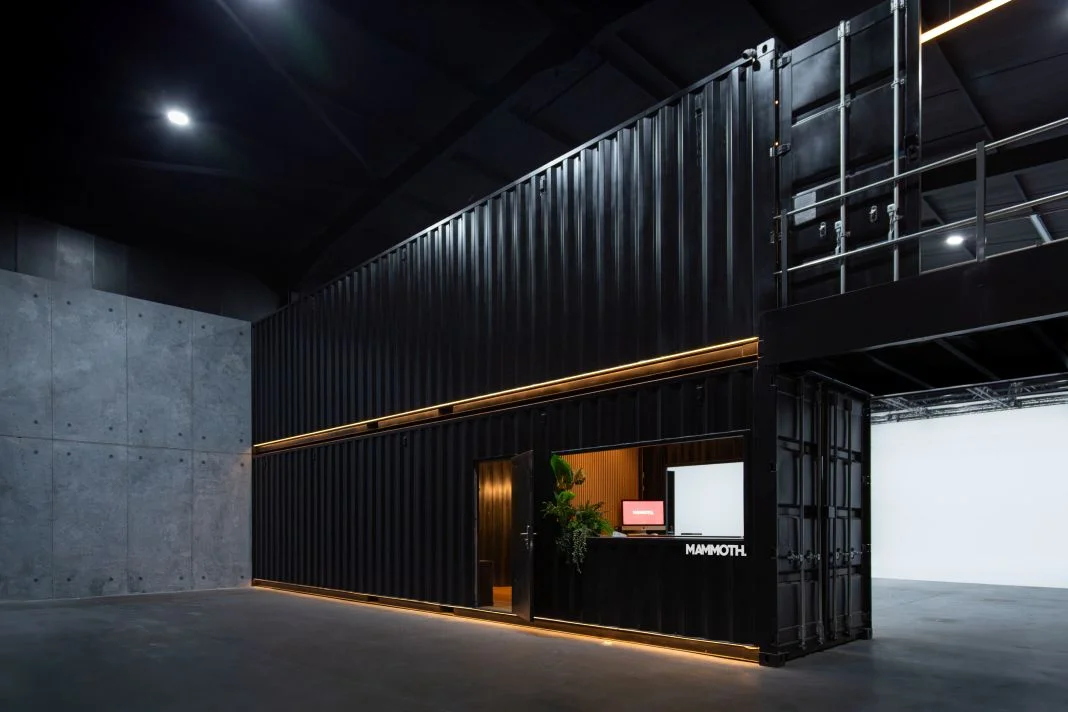
Studios such as Mammoth provide this type of environment. Their infrastructure supports performance and storytelling by eliminating distractions. This leads to greater efficiency and fewer setbacks. A controlled shoot environment also improves equipment load-in, supports detailed pre-production planning, and allows for seamless multi-set workflows. These factors lead to faster delivery of assets and more usable content per shoot day.
Time, Cost and Workflow: How Studios Outperform Location Shoots
Picture two teams. One is delayed by traffic. The other is already filming a second scene inside a studio. That head start creates a measurable advantage.
Location filming often introduces delays. Setting up at each new site consumes time. Permits cause hold-ups. Weather disrupts plans. These issues result in overtime, rushed scenes, and unexpected costs.
Studios remove these barriers. Call times remain accurate. Equipment does not need to be moved repeatedly. Teams shift from set to set without downtime. Workflow becomes more efficient.
Costs also stabilise. Fewer delays mean fewer surprises. Crews perform more consistently. Deliverables are ready sooner, and production value increases.
Studio versus location cost comparisons often show stronger return on investment when production teams remain in a single setting. The savings extend beyond transport and include improved shooting ratios, reduced turnaround time, and better crew coordination.
When a Location Shoot Still Makes Sense
Some shoots require real-world settings. A historic building, a city street, or an outdoor landscape may be critical to the story. Campaigns tied to local culture or geography often benefit from on-site shooting. Documentaries rely on natural light and authentic settings. In these cases, a location shoot adds credibility and emotional weight.
This is where location-based storytelling is most effective. Environmental storytelling and aesthetic realism elevate the production when used with purpose. However, location work must be a conscious choice. If the environment enhances the narrative, the risks may be worthwhile. If not, it can introduce unnecessary complications. Plan the shoot carefully. Acknowledge the limitations. Use real-world locations only when the story truly requires them rather than defaulting to habit or assumption.

Why Staying in One Place Ultimately Pays Off
Using a single studio space allows the team to work more efficiently. Lighting setups are repeated. Sets stay intact. Continuity is easier to maintain over multi-day shoots.
Crews move faster. Technicians understand the layout. Producers track progress accurately. Editors receive consistent footage. Less time is wasted on resets or corrections.
Studios function as dependable production home bases. They support multi-scene workflows, predictable costs, and reliable delivery timelines.
When teams stay in one place, they achieve greater brand consistency, a more scalable workflow, and fewer operational disruptions. This structure supports sustained production success. When external variables are reduced, creative energy flows more freely. Directors focus on performance and composition. A smoother setup leads to a stronger final product.
Final Thoughts for Production Teams
Selecting a filming environment should be a strategic decision. Studios provide structure, predictability, and peace of mind. Most commercial shoots benefit from the reliability and efficiency of studio settings. They lower risk, enable clearer planning, and support creative teams by reducing distractions.
Throughout London, more production teams are choosing to stay in one place. Whether using large studio facilities or modular indoor sets, the objective remains the same: reduce moving parts and improve output. When comparing studio versus location filming, decision-makers should consider pre-production control, crew coordination, and workflow efficiency. These factors are not simply preferences - they create a measurable advantage. For reliability, creative freedom, and consistent results, a studio-based approach often proves to be the better choice.