How did one fashion brand pull off a full campaign in just a single studio day?
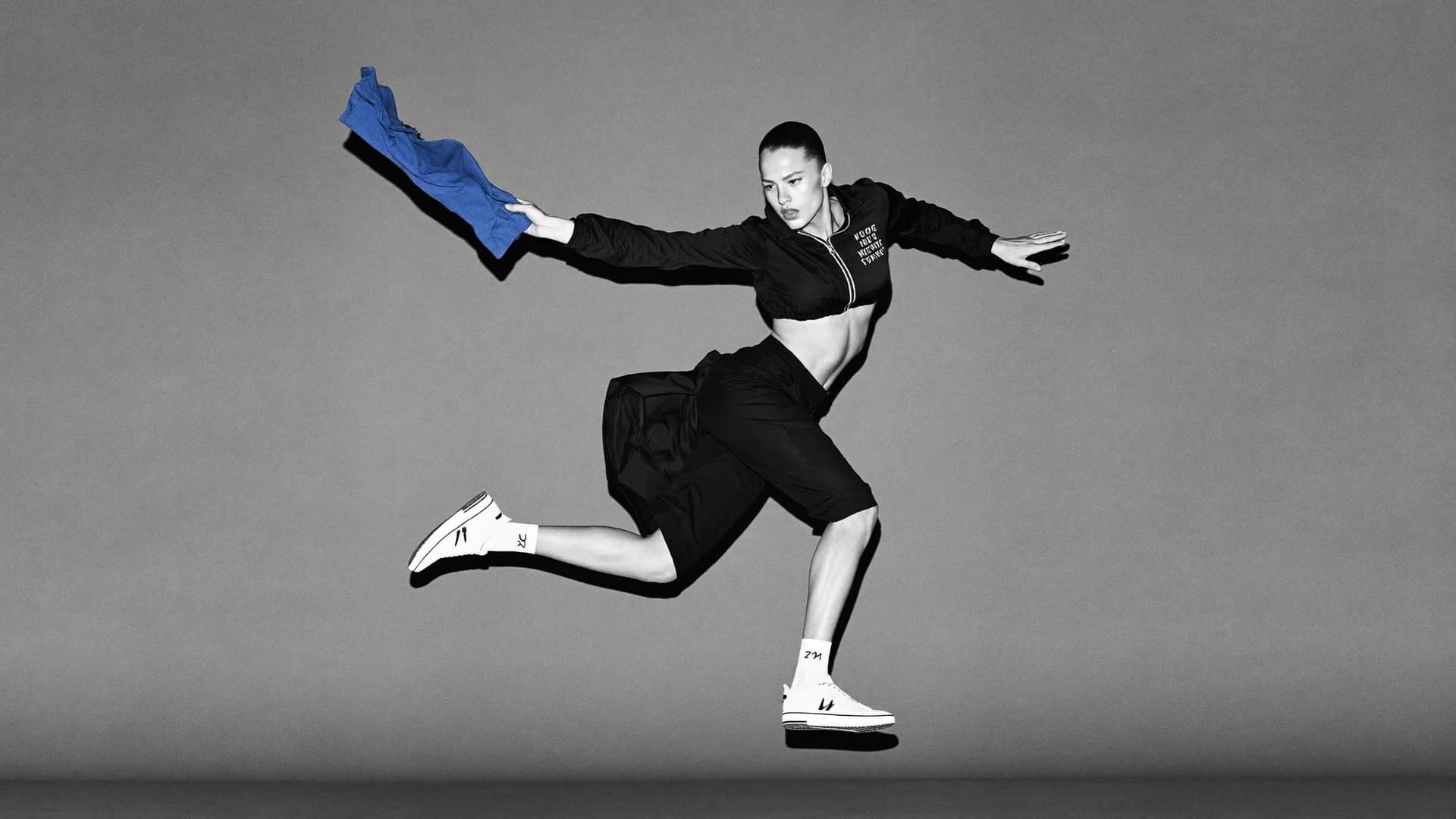
One fashion brand managed to shoot an entire campaign, including look book, social content, and e-commerce assets, in a single studio day. With detailed planning, a focused creative team, and the right studio setup, they turned a packed schedule into a streamlined, high-output production.
Inside the Studio: A One-Day Fashion Campaign Unfolds
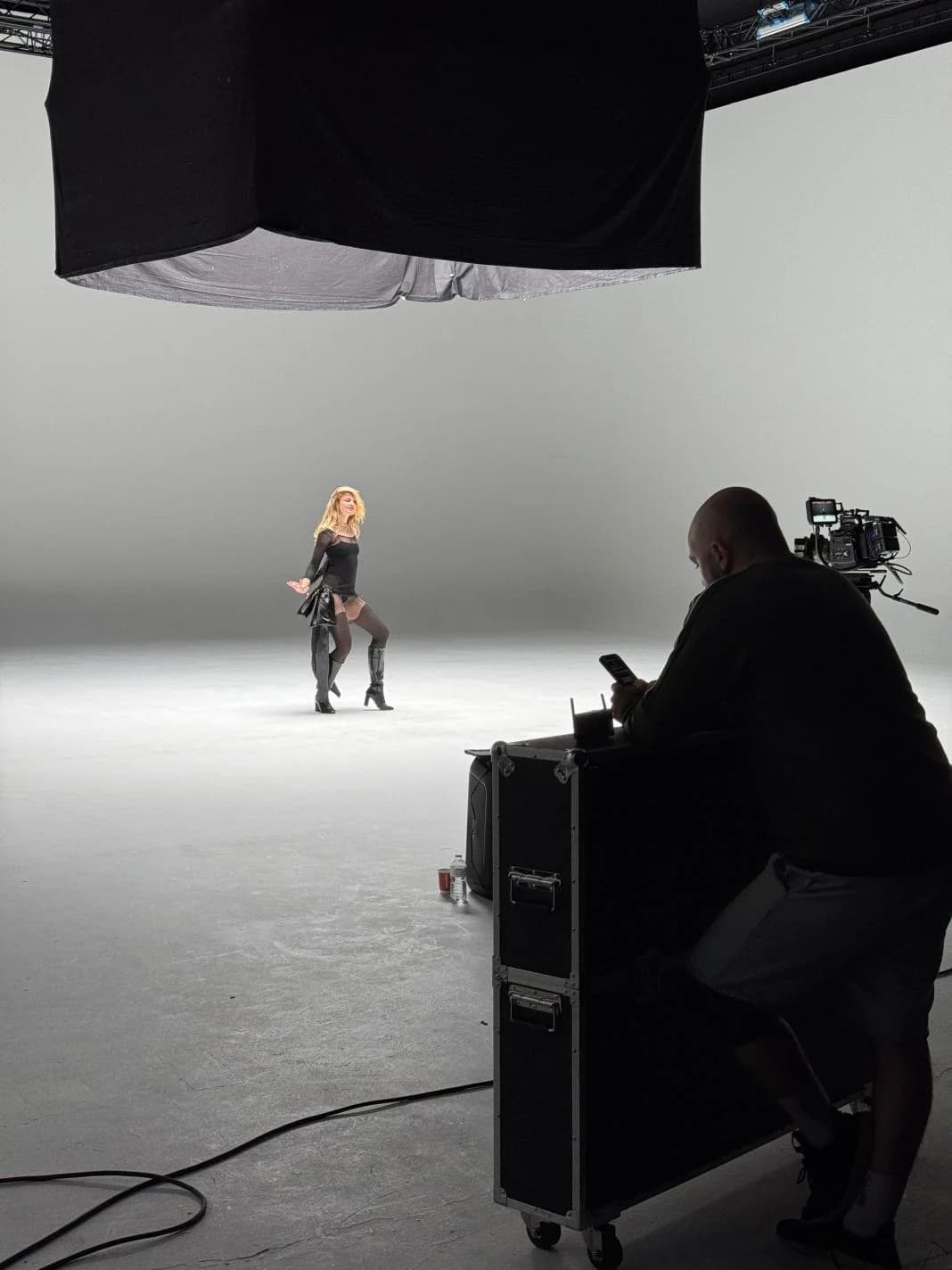
The day started early. By 7am, the team had arrived at Mammoth Film Studio, specifically Studio 2 at Mammoth. Coffee brewed in the background. Stylists steamed clothes while lights clicked on. The creative director discussed the opening looks with the photographer.
This shoot served as a real-world creative production case study. It showed how fast decisions and clear structure could replace sprawling timelines. The team’s goal was simple: capture everything, including brand visuals, e-commerce imagery, and seasonal campaign assets, by the end of the day.
Each hour was assigned a clear purpose. The schedule covered set builds, outfit groupings, model changes, and live image reviews. The pace was quick but remained calm due to careful planning.
Why This Brand Chose a Single Studio Day Instead of a Full Production Week
This approach was not a fallback. It was a deliberate strategy with clear advantages:
- Lower production costs came from limiting the shoot to one day.
- Avoiding location risks meant everything could happen indoors.
- Improved coordination helped the full team stay focused in one space.
- Faster turnaround got final assets out by the end of the week.
As the campaign manager explained, "We shot Tuesday, approved images Wednesday, and had layouts ready Friday."
Laying the Groundwork: Pre-Shoot Planning That Made It All Possible
Planning did not begin on shoot day. It started weeks earlier, with every detail accounted for:
- A complete hourly shot list to guide the entire team
- Wardrobe blocks mapped out by scene and model
- Tailored lighting diagrams for each part of the day
- Backup props, extra batteries, and alternative gear packed and ready
- Labelled outfit racks to speed up transitions
Call sheets, visual references, and style guides were shared in advance. Everyone knew their roles from the moment they walked in.
A Day in the Studio: How the Team Brought the Vision to Life
This was a textbook example of fast-paced fashion photography. It combined pre-planned structure with flexible problem-solving.
7am to 10am: Look book images were captured with clean, static framing that set the tone.
10am to 1pm: E-commerce photography followed. The team used Capture One for tethered previews, which allowed quick approvals and real-time lighting checks.
1pm to 3pm: Social-friendly content came next. Models moved more freely, and poses were guided by the mood board.
3pm to 6pm: Hero shots were created. The focus shifted to creative lighting, tighter crops, and stylised props.
6pm to 7pm: Final checks were completed, and all captured content was backed up.
Minor challenges, including a stuck zip and an awkward lighting reflection, were handled within minutes by the crew.
From Studio to Campaign: The Deliverables Produced in 12 Hours
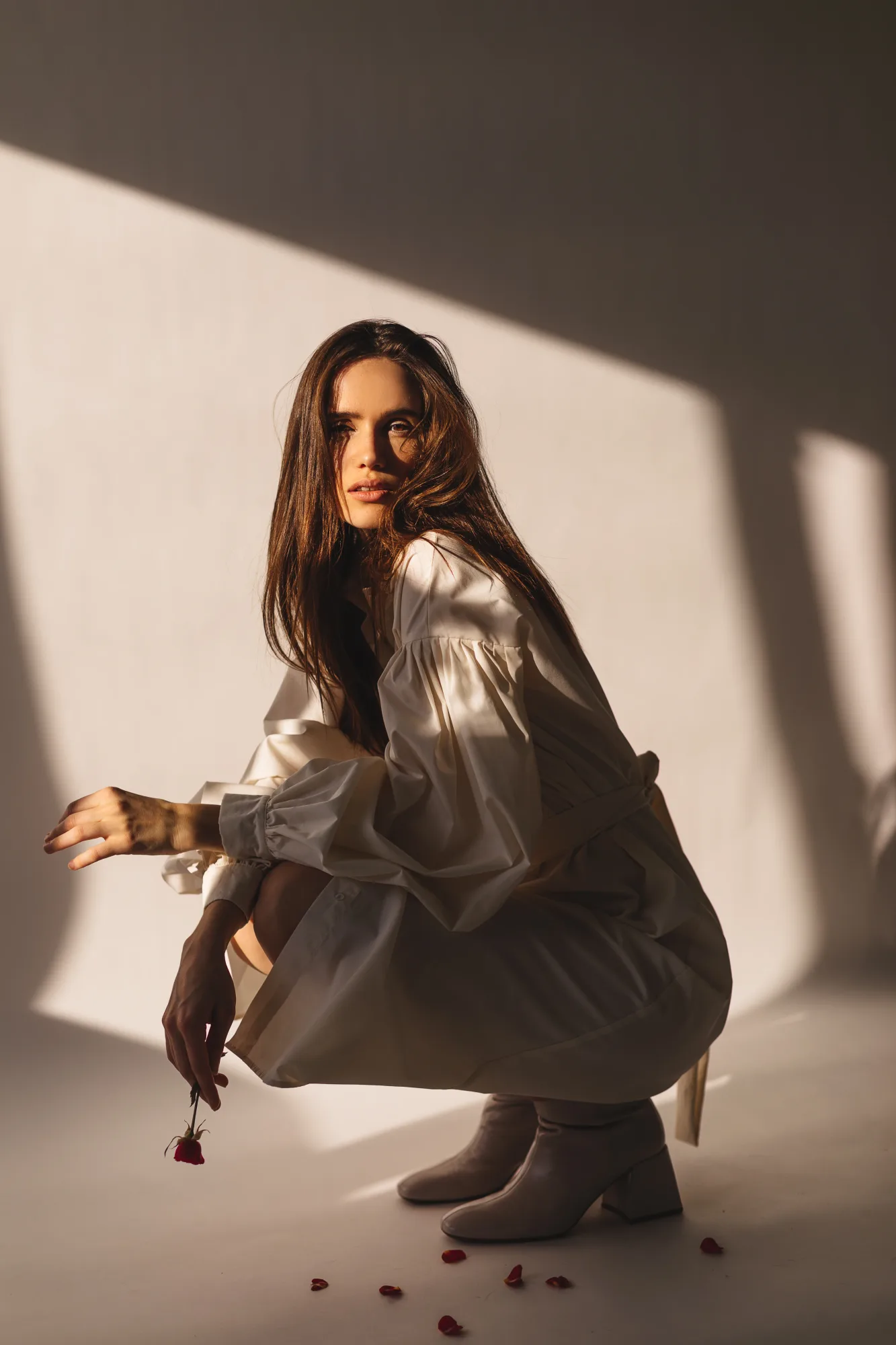
The volume and variety captured in just one studio day show how effective a one day photo shoot campaign can be when properly executed.
By the end of the session, the team had delivered:
- 24 polished stills for lookbook and e-commerce
- 3 vertical video reels tailored for social media
- 2 layout-ready campaign sets featuring multiple looks
- 1 fully organised asset bank in portrait, square, and 9:16 formats
All content was reviewed, backed up, and moved into post-production the same evening. Visual consistency ran through every item. Edits were processed using Adobe Lightroom and finalised with Photoshop presets to match the brand’s visual guidelines.
Thinking of Hiring a Studio? What Brands Should Know First
If you are looking to hire a fashion studio for your next campaign, some forethought goes a long way. Begin with a solid studio setup checklist that includes everything from lighting needs and backdrop options to available gear. Knowing what to ask when booking a photo studio can prevent problems on shoot day. Enquire about space dimensions, in-house equipment, access times, and support staff.
Also consider whether the studio suits your crew size and kit requirements, and whether it offers essentials like changing rooms, client seating, and breakout areas. Ask if lights, tethering stations, or modifiers are available on-site to reduce transport needs. Most importantly, share your plan early. A clearly planned studio shoot helps meet your timeline, goals, and content expectations.
A strong plan is what turns limited time into a productive session.
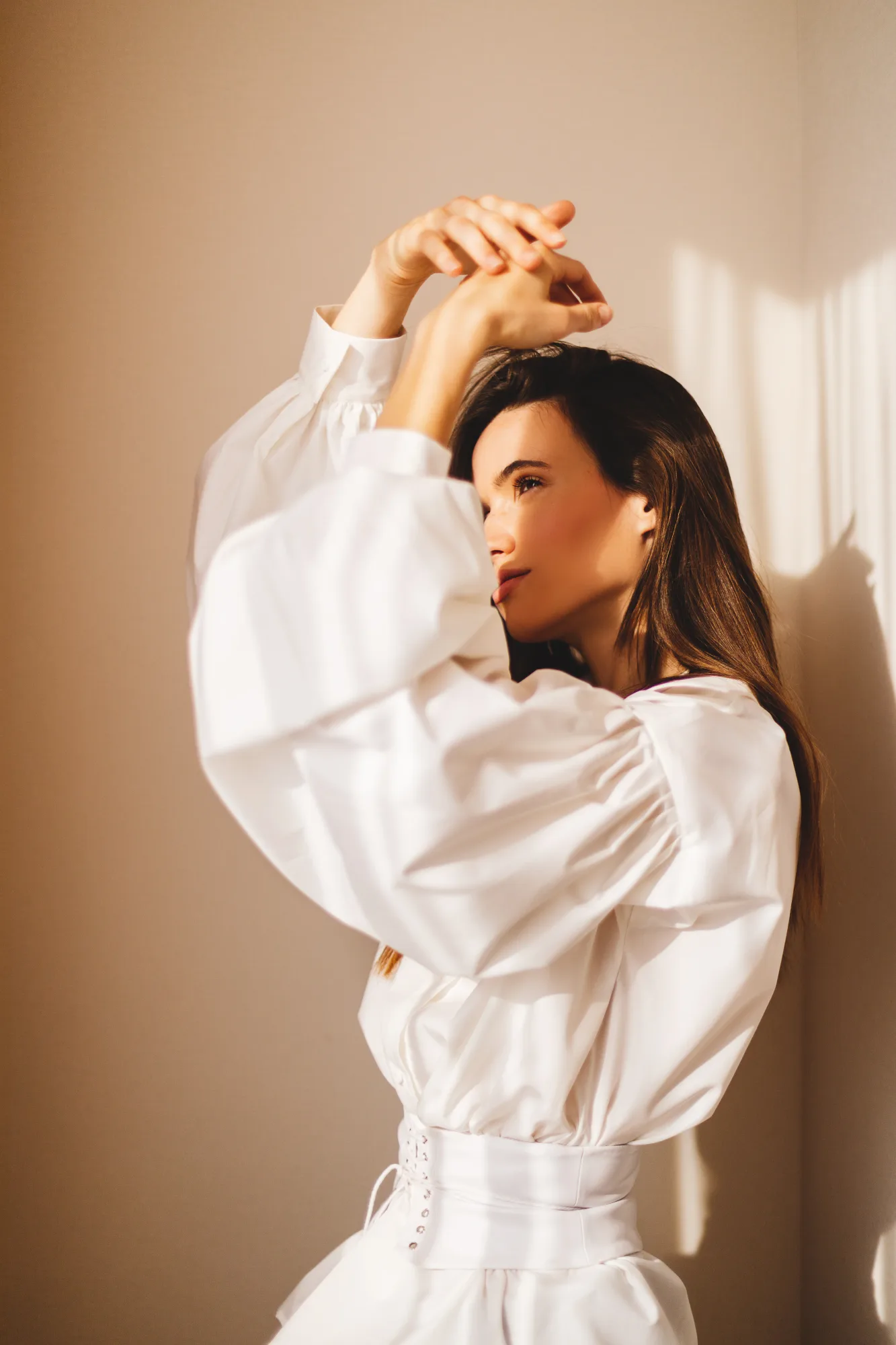
Key Takeaways: Lessons from a One-Day Studio Campaign
- Begin planning well before the shoot.
- Keep a detailed shot list and follow it closely.
- One location reduces distractions and boosts efficiency.
- A small, well-coordinated team works best.
- Structure is key, but allow flexibility for creative adjustments.
With the right people and preparation, a one-day studio shoot can deliver everything a longer production might. In some cases, it can even deliver more.
FAQs About One-Day Studio Shoots
These answers reflect some of the common lessons from fast photo shoots that teams learn after running high-output sessions like this.
How many outfit changes can you fit into a one-day shoot?
It depends on how the day is structured, but many teams manage 8 to 12 full outfit changes across different scenes.
What is the ideal crew size for a studio shoot?
For fast-paced fashion photography, a lean crew of 6 to 8, including stylist, assistant, and photographer, often works best.
Do you need a post-production team on the same day?
Not necessarily. With tethered shooting and clear selects, post-production can begin the next day. Having a digital tech on set, however, can speed up the process.
What should you expect from a studio shoot?
You should expect a highly structured space with clear stations for styling, photography, and reviews. Lighting setups remain consistent, and everything happens in one place, which helps keep timing and output on track.