Why should you tour a film studio before booking, and how does it impact production planning?
Touring a film studio, like Mammoth's Zone 2 studio, before booking helps you make confident decisions about whether the space supports your production’s narrative, schedule, and technical requirements. From understanding sound stage acoustics to reviewing access for kit drop-off, an on-site visit helps you plan more efficiently and spot any deal-breakers before they affect the shoot.
This type of visit allows producers, location scouts, and directors to assess how well the space supports story continuity, rigging options, lighting control, and set-building needs. Whether you're filming a commercial, short-form series or feature, touring gives you a solid foundation for choosing the right location, saving time and avoiding costly changes later.
What We Cover In This Article About 5 Smart Steps To Touring a Film Studio?
- Step 1: What should you check during a film studio tour?
- Step 2: What rules do UK studios have for access and pre-shoot recces?
- Step 3: How to book a film studio visit and prepare properly
- Step 4: What questions separate experienced location scouts from first-timers?
- Step 5: What can you do if you cannot visit the studio in person?
Step 1: What should you check during a film studio tour?
Studio tours are not just about choosing a space that looks right for the camera. You’re reviewing structural, acoustic, and spatial features that affect everything from camera rig movement to dialogue clarity and green room comfort. By walking the set with production goals in mind, you reduce the chances of unexpected delays or compromises on shoot day.
Confirm the space matches your script beats
The shape, feel, and layout of a studio should support the scenes in your script. If you're filming dialogue-heavy moments, assess whether the space offers clean acoustics and flexibility for lighting rig placement. For large movement scenes, check clearance height for cranes or dollies.
Bring a treatment or storyboards to help visualise scene blocking on-site. For example, if your storyline includes an office and a corridor chase, assess if the layout supports that with simple redressing.
Named UK studios like Shepperton, Pinewood, and Bottle Yard Studios offer stages that support complex blocking with built-in rigging, blackout-ready windows, and integrated cable tracks.
Evaluate lighting options, noise control, and rigging access
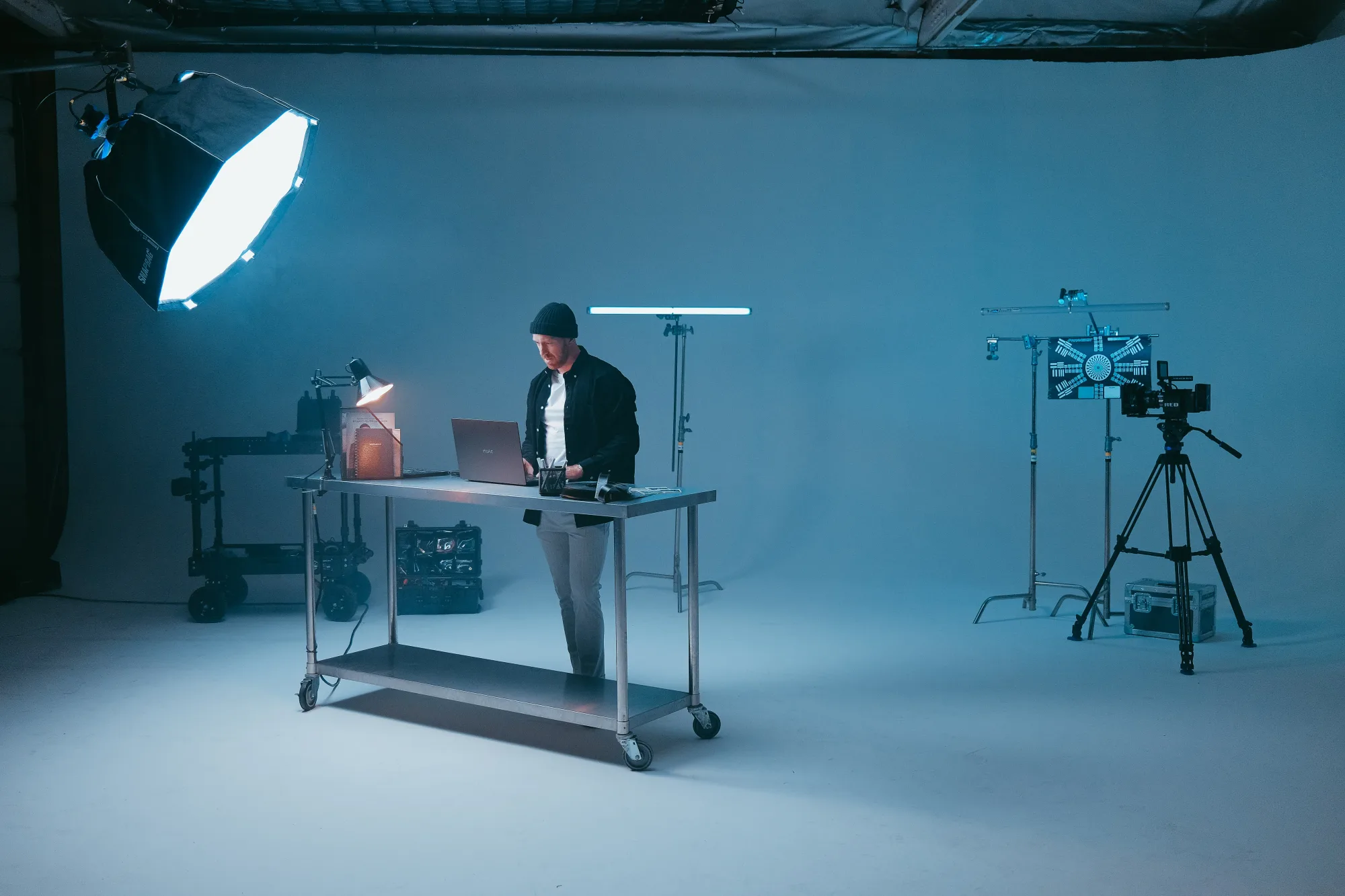
Ask whether the space includes a lighting grid or requires standalone truss hire. Are rigging points pre-installed? Is the ceiling height compatible with your softbox or LED panel requirements?
Soundproofing varies greatly between studios. Request information about acoustic panel installations, isolation barriers and the decibel rating of each stage. Studios like Fitzrovia Studios in London or Space Studios Manchester often have dedicated sound stages with double door seals and decoupled walls.
Lighting setup and sound control are critical to avoid post-production issues like dialogue echo or lighting flicker. It’s worth running a quick lighting test or recording ambient audio during your walkthrough.
Can the space double for more than one set?
Ask if the studio supports location doubling. Can the same backdrop be redressed to appear as both a courtroom and a waiting room? Multi-use studios often have movable flats, cyclorama walls or flexible green screen stages.
Studios such as Ealing Studios and Mammoth Film Studios are known for providing reconfigurable environments ideal for short-form series and music videos. If you’re working with a limited shoot schedule, this versatility can help you film multiple setups in one day without moving locations.
Step 2: What rules do UK studios have for access and pre-shoot recces?
Each studio has different access policies depending on location, production type, and health and safety procedures. Knowing what kind of visit is possible will save you time and help you plan effectively.
Movie studios in London and Manchester, for instance, often require early booking and sometimes an insurance certificate just to enter the building. Regional facilities in cities like Leeds or Glasgow are more flexible and may offer availability at shorter notice for location inspections.
Types of studio access available
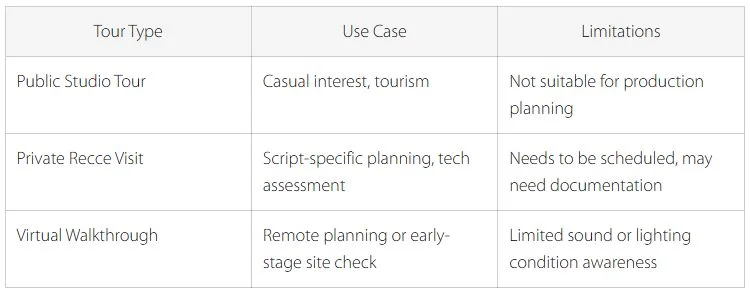
Virtual previews are becoming more common at studios like Artemis Studios Bristol and Northern Film Studios. They may provide Matterport walkthroughs or high-resolution 3D scans for remote planning.
Studio policies: NDAs, insurance, and health documents
Studios often ask for a signed non-disclosure agreement (NDA), especially if other productions are active in adjacent stages. This protects confidential props, set builds, and production schedules.
Public liability insurance may also be required, even for a recce visit. Some studios provide a sample certificate of insurance (COI) template to simplify the process. Confirm fire safety protocols, first aid access and emergency exits while on-site.
It’s a good idea to read through the studio’s access policy and booking terms before scheduling. If you need help with film-specific insurance.
Step 3: How to book a film studio visit and prepare properly
Studios respond better to booking requests that are specific, professional, and production-aligned. Sending a vague “Can I come look around?” message is unlikely to get a useful response. Instead, send a short but clear project brief outlining what you plan to assess.
What to include in a booking request
- Project title and genre (e.g. corporate video, short film, web series)
- Preferred shoot dates
- Crew size estimate
- Equipment list (if any gear will be tested during visit)
- Purpose of visit (e.g. review access routes, lighting height, or test dialogue acoustics)
Attach references or lookbooks to help illustrate what you’re looking to create. This helps the studio team suggest which stage or space will match your needs.
Ask for a guided technical walkthrough
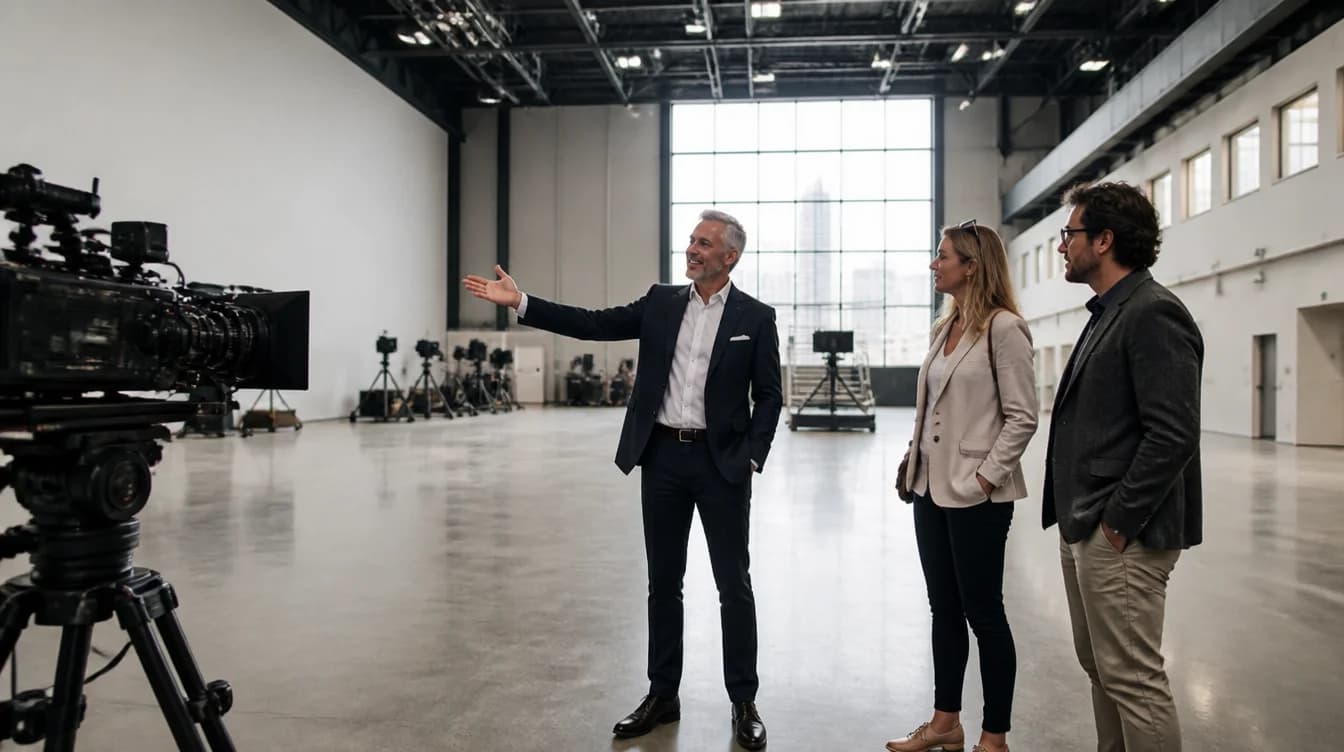
A guided walkthrough with a stage manager or access coordinator allows you to ask questions relevant to production. Focus on these areas:
- Power access and breaker box locations
- Ceiling height for suspended rigging
- Load-in point for grip and lighting kits
- Dressing room or make-up area capacity
- Secure storage options for props and wardrobe
If you’re planning on filming at Shepperton, ask about their backlot space and whether temporary set builds are allowed. For studios like Leeds Studios or Armadillo Studios London, it’s worth checking if stage hire includes shared or private facilities.
Step 4: What questions separate experienced location scouts from first-timers?
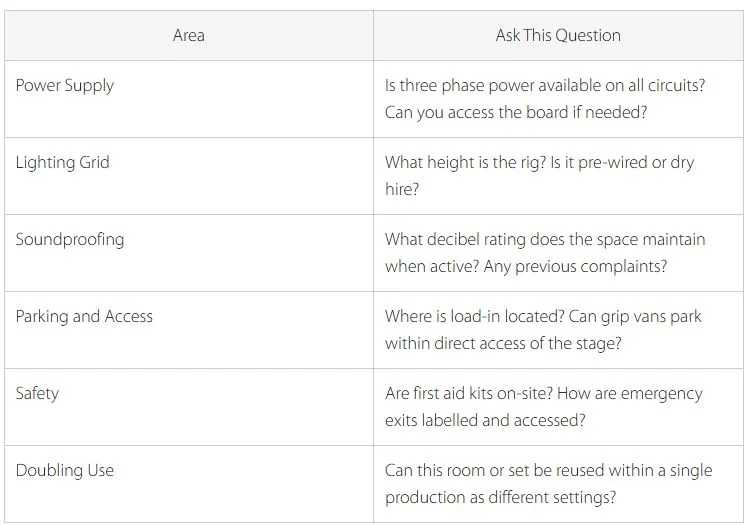
Professional scouts know what to look for during a location recce. Asking focused questions about power, access, sound, and layout helps determine whether the space works for your specific production requirements.
Here’s a quick reference to guide your walkthrough:
Step 5: What can you do if you cannot visit the studio in person?
If you’re working remotely or on a tight schedule, virtual planning is the next best thing. Studios today are better equipped to help remote teams plan with confidence.
Ask for virtual studio walkthroughs or digital floorplans
Request a 3D walkthrough using Matterport or similar platforms. These offer a navigable layout you can explore through your browser. If this is not available, ask for technical floorplans that include:
- Room dimensions and ceiling height
- Electrical socket positions
- Entry and exit points
- Lighting rig locations
- Green room and restroom positions
For example, Mammoth Film Studios in London often provide PDF schematics with their virtual recce packs.
Review previous productions and testimonials
Request behind the scenes photos from previous shoots. You’ll get a better understanding of how the space was lit, framed, and dressed. For further peace of mind, ask to speak to a recent client about their experience with the studio.
Also check online credits and reels. If you’re filming a music video or promo, studios used by clients like the BBC, Netflix, or Channel 4 can provide helpful benchmarks for capability.
Use online tools like Google Earth or Street View
If parking and access are key concerns, use Street View to explore the surrounding streets. Are there loading zones near the entrance? Any congestion charges, one-way systems, or vehicle height limits?
These simple checks help you plan logistics without stepping foot on site. For more remote location scouting see our virtual movie studio tour.
Final thoughts
Studio tours give you more than just peace of mind. They provide clarity, technical insight, and a practical understanding of whether the space works for your story, your gear, and your budget.
Even when you cannot visit in person, virtual inspections, studio references and production-ready floorplans can help you plan confidently. Ask focused questions, bring supporting materials, and think beyond aesthetics. A well planned recce leads to smoother filming, fewer delays, and better creative results.