When does virtual production cost more than traditional shooting?
Virtual production starts to cost more than traditional filming when expectations about efficiency don’t match how production workflows operate in reality. Setup demands, specialist crew, and short durations all push costs into uncomfortable territory.
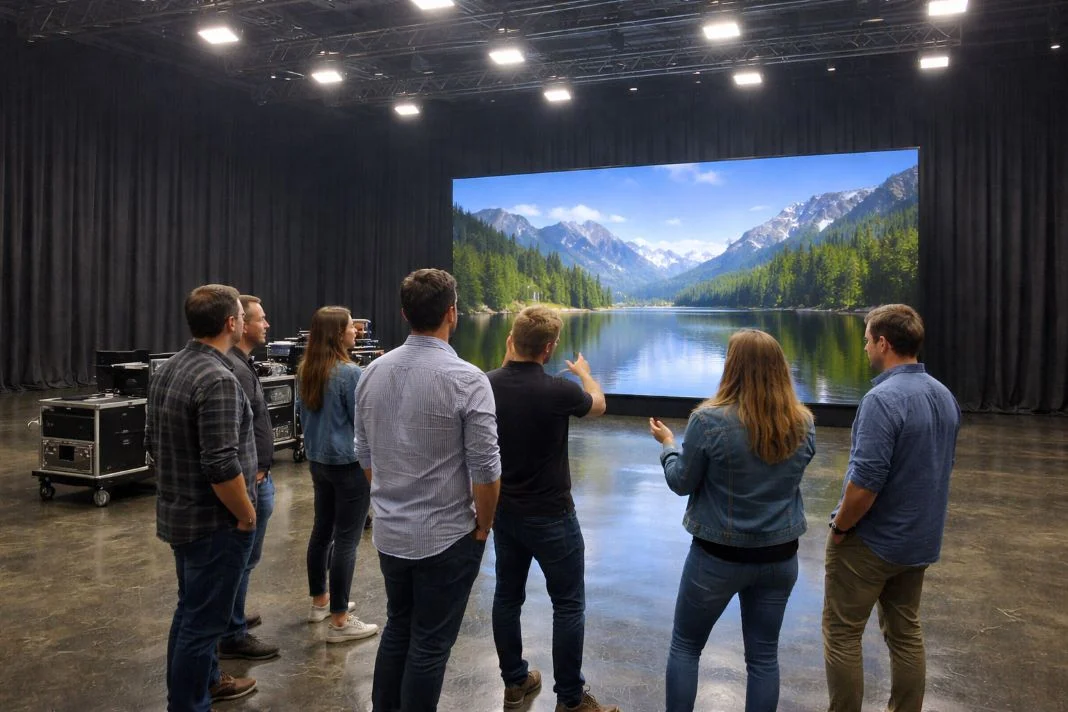
An illustrative image of six people in a studio admire a large screen showing a mountain lake scene. Equipment is visible. The mood is curious and engaged.
Why virtual production is not always the cheaper option
Many assume virtual production will cut costs, thanks to fewer travel days or lighter post. But those assumptions often miss how spend is structured. Budgets often get approved on perceived efficiency. The trouble comes when those perceptions meet shifting schedules or creative scope. What felt lean becomes bloated fast.
This happens not through error, but through inherited logic. Producers work within commercial production workflows that don't always reflect technical realities or agency-side production approval processes. That’s where budgets drift. Virtual production costs behave differently. Spending starts early, commitments happen sooner, and dependencies stack quickly. You need a planning model that accounts for those shifts.
Where virtual production front-loads cost compared to traditional shooting
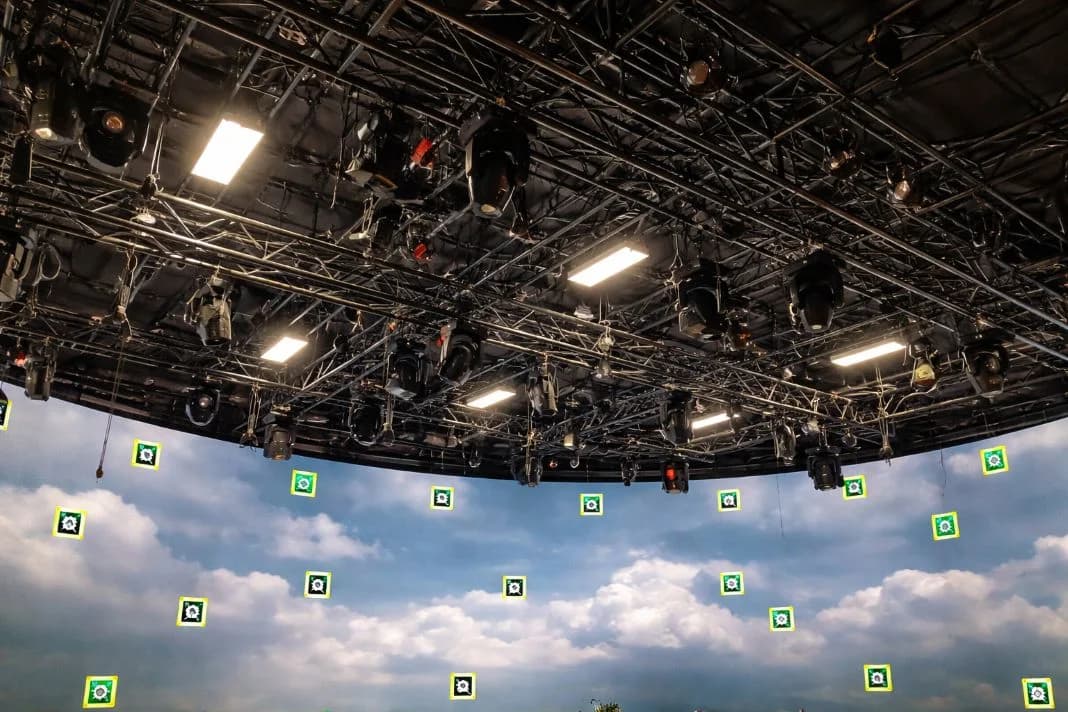
Traditional shoots spend gradually through crew, kit, or catering. In virtual production, it happens upfront. LED stage hire, environment builds, calibration, and playback setup all begin before day one. These systems, including our real-time Unreal Engine workflow, are necessary to make the shoot viable. That means cash flow spikes early. What would have been gradual spend across weeks becomes a heavy load in the first few days.
Why short shoots rarely recover virtual production setup costs
Short shoots carry a heavy burden under virtual production. The setup doesn’t shrink with time. Tracking, playback systems, and LED prep all happen whether you shoot for one day or five. That fixed overhead rarely scales down.
Day-rate models in traditional studios offer flexibility. In virtual setups, you’re dealing with base infrastructure that holds its cost. Commercials, music videos, and one-day agency jobs often take the hit. Producers working under tight timelines may find it hard to recover these setup costs.
An illustrative image of three people with headsets view a monitor displaying a scenic landscape. They stand in a dim room with industrial walls and equipment.
When simple locations are cheaper than digital environments
Sometimes the real world is easier. If a scene needs a standard interior or a quiet street, why rebuild it?
Permits are predictable. Locations with low art direction and fixed lighting can be shot efficiently. Replacing them with digital environments often adds more than it solves. Using a location is practical, especially when there’s no reason to simulate what already works.
How over-specification inflates virtual production budgets
Many budgets swell before the shoot begins. Planning for problems that never materialise is usually the cause. That includes oversizing the LED volume, demanding full wraparound screens, or requesting ultra-high resolution when the output doesn’t require it.
These choices are made to play it safe, but they often push costs beyond what the project actually needs. You’ll save more by aligning camera language, LED footprint, and resolution early. Less guessing, fewer surprises. Technical redundancy is common. Risk-averse scoping leads to overbuilt systems that outstrip the production's actual creative intent.
The crew and time costs that do not exist on traditional shoots
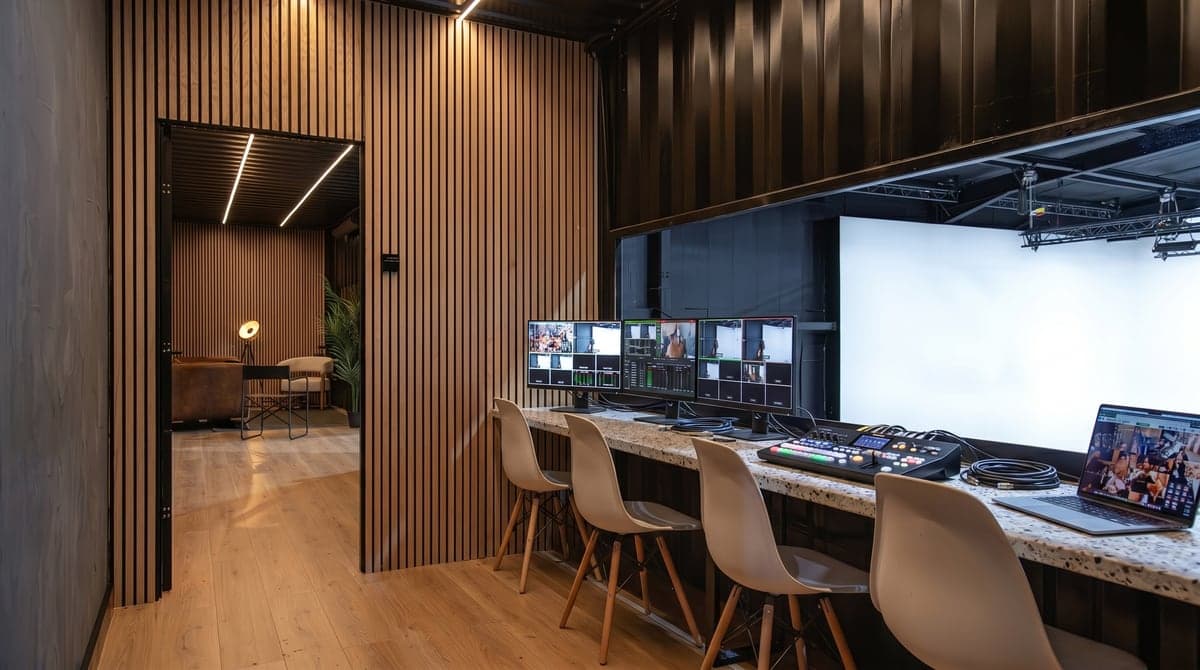
Virtual production brings extra layers. Playback techs, LED supervisors, and tracking teams are all needed to make the environment function. These LED stage specialist crew roles don’t exist in traditional production, and their presence changes not just cost, but rhythm.
Even with a tight crew, decisions take longer. One background shift can ripple into lighting and framing. Everything is linked. That slows things down. This is the nature of the system. It just means labour and scheduling require a different lens. Decision bottlenecks build when multiple people need to approve changes. Directors, real-time operators, and lighting supervisors can create a chain of dependencies that affects momentum.
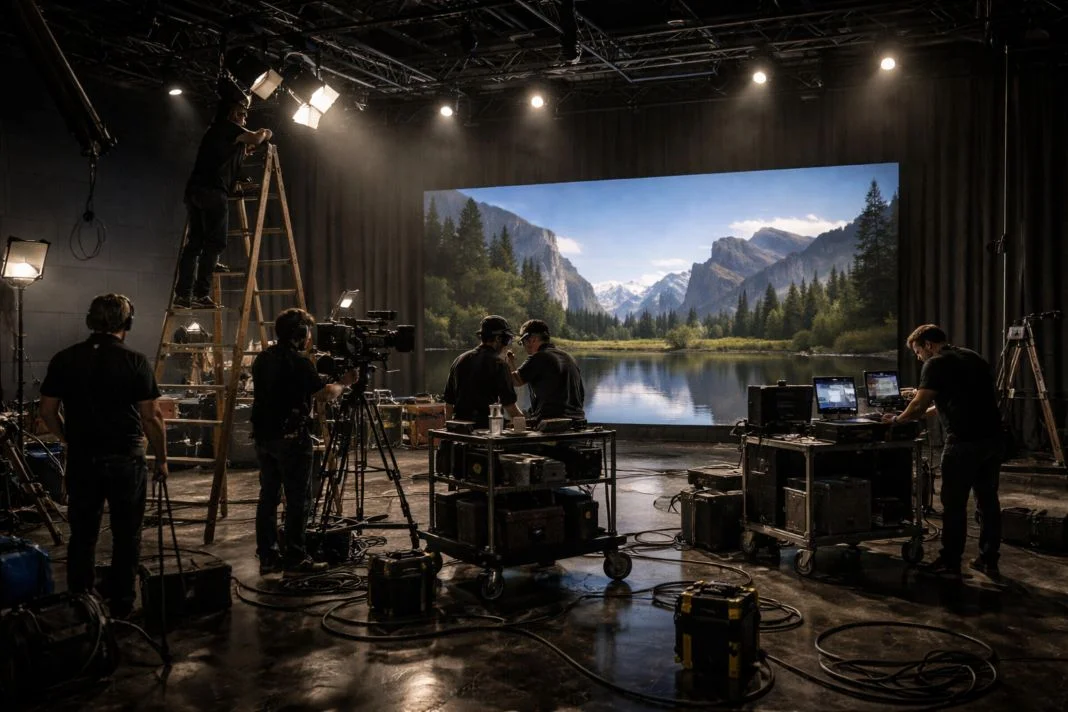
An illustrative image of a film crew operates cameras and equipment in a studio with a large screen displaying a scenic mountain and lake landscape.
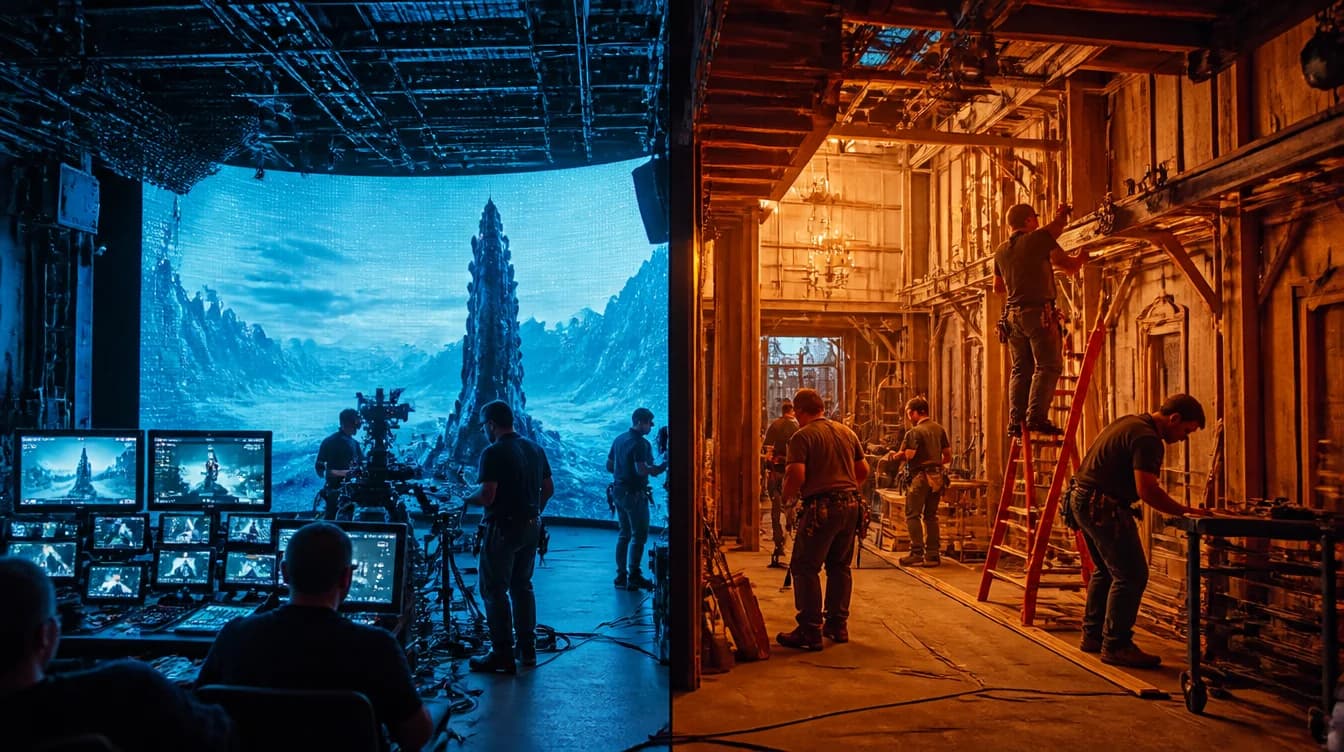
When physical builds outperform LED volumes on cost
Sometimes, building a set is faster. If your scene is small, static, and used more than once, the digital case weakens. With fixed lighting and repeatable angles, a scenic build avoids costly technical prep. There’s no tracking, no LED calibration, just construction and control. Shops, offices, flats are often cheaper to build than simulate.
The cost threshold where virtual production stops making financial sense
Virtual production works when the project’s structure supports it. But it breaks down when those conditions fall apart. Here are some warning signs:
- No environment reuse
- Short shoot duration
- Late changes in creative
- Unconfirmed technical needs
If those elements are in play, reconsider. Once you’ve booked a stage and committed to a build, pulling back gets expensive. Your virtual production decision framework should clarify this early. Most cost problems come from committing before these variables are pinned down.
A practical cost filter producers can apply before committing to virtual production
Run these checks before locking in virtual production:
- Is the shoot long enough to spread setup costs?
- Are your environments complex enough to justify digital build?
- Could a real location or set offer the same result?
- Are decisions finalised early?
- Does your crew know this workflow?
Answering these will help clarify whether virtual production is financially viable for your project.
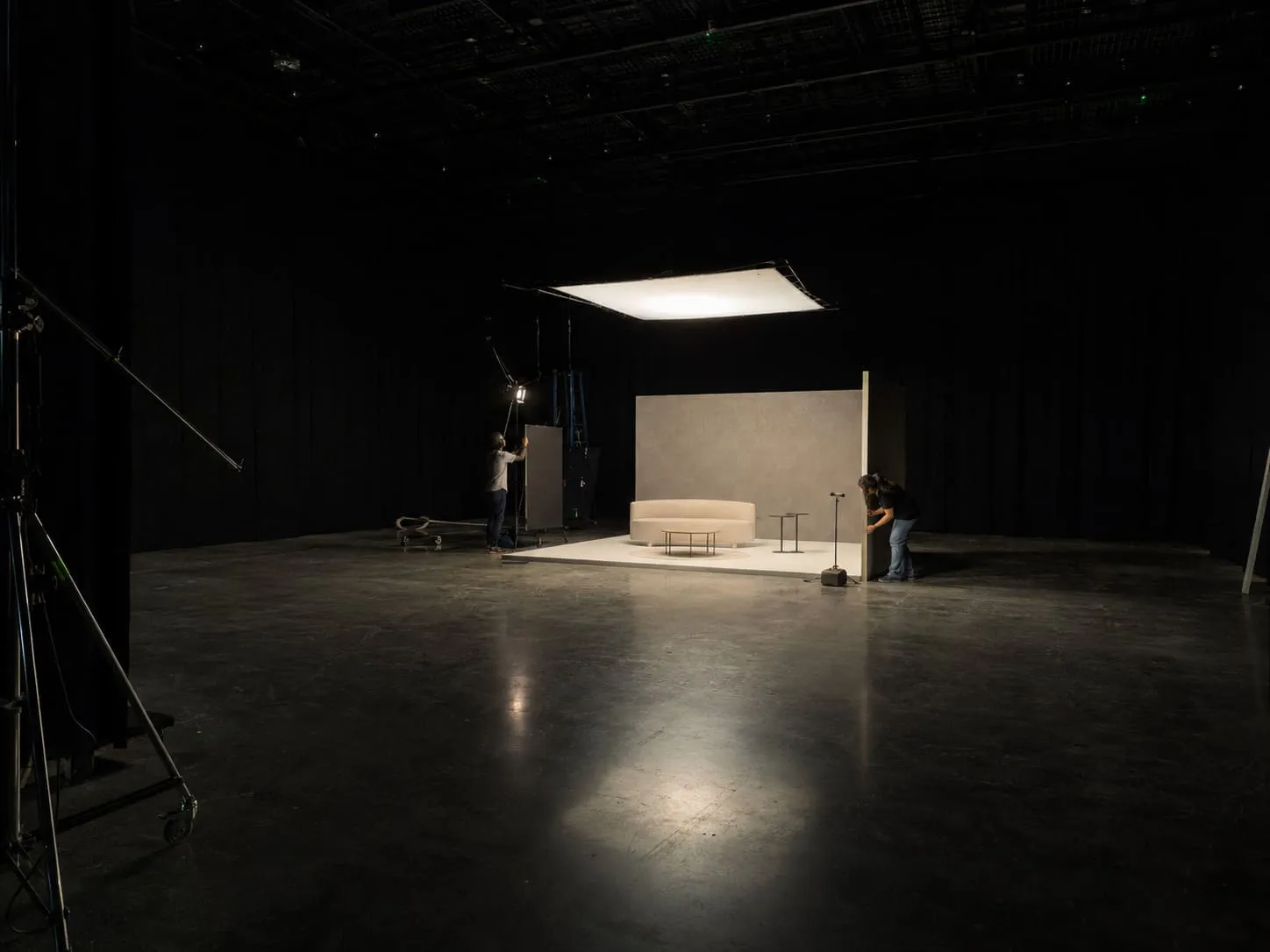
Mammoth Film Studios backs both options. Studio 1 supports traditional formats with blackout or white setups. Studio 2 is built for LED, with Elsewhere Productions managing the technology. Same site, two approaches with both each designed for different workflows.